 Bluff & Bridge Recovery
Service
Partial Hospitalization Program
Sometimes you need more than a weekly meeting to stay sober, but you don't need to live in a treatment center. You need room to breathe, a place to land during the day, then head home to your real life at night. That's what Partial Hospitalization is built for.
What a Partial Hospitalization Day Looks Like
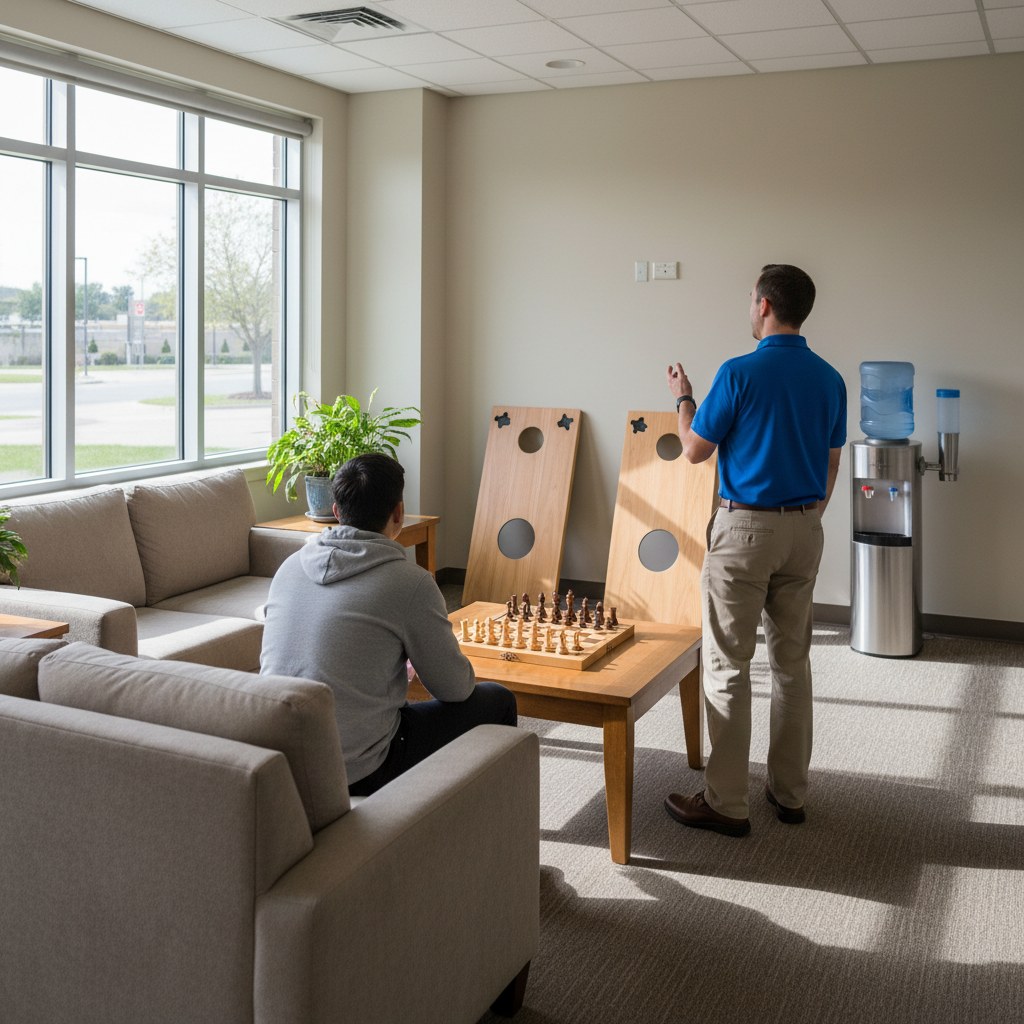
You'll come in most mornings and spend the day in a mix of group therapy, one-on-one counseling, and skill-building sessions that focus on what actually trips you up — triggers, cravings, relationships, and the everyday stress that pulls you backward. We eat lunch together, check in on how the last 24 hours went, and make a plan for the next 24. You'll leave each afternoon with a concrete next step, not just good intentions. Evenings and weekends are yours — to practice what you learned, lean on your support system, and prove to yourself that you can do this outside our walls.
Your schedule will be built around your life — not the other way around. We've worked with people who drive in from small towns across the region, who keep their jobs and take care of their families while they heal. You're not locked in a building; you're anchored to a daily structure that loosens as you get stronger. As you stabilize, hours drop. As you need more support, hours increase. No shame in either direction — just steady, honest adjustments based on where you're at.
What This Means for You
Structure Without Lock-In
You get a daily schedule that holds you accountable, but you sleep in your own bed and keep your outside life.
Real-World Practice
Every day you test coping skills in your own environment — home, work, family — not just in a clinic room.
Same Team, Deeper Work
You keep the same counselors and peers you started with, building trust and momentum without starting over.
Community That Sticks
Group sessions with people from your own towns — shared roads, shared struggles, shared steady ground.
Step-Down That Fits
As you strengthen, hours taper naturally. Success means needing us less, not more.
How You Move Through the Program
- Your first conversation Sit down with a counselor one-on-one to map your triggers, strengths, and what's been getting in the way.
- Daily structure You attend 5–6 hours a day, 5–6 days a week — group therapy, skills work, and individual sessions that fit your life.
- Weekly adjustment We check in every week to see what's working and what needs to shift. Hours reduce as you stabilize.
- Step-down planning Once you're holding steady, you step down to a lighter schedule — still connected, but leaning more on your own footing.
- Smooth transition You move into ongoing outpatient care with the same team. You're never cut loose — just steadied.
Who Walks Through Our Door
This program is for people who've completed detox or residential treatment and need daily support, but don't need to be watched overnight. It's also for folks who've tried outpatient counseling but keep relapsing — you need more contact, more accountability, and a crew that sees you every day. If you're waking up anxious, white-knuckling through cravings, or feeling like one bad day could unravel everything, Partial Hospitalization is the place to rebuild.
You don't have to be falling apart to be here. In fact, most people come in stable — but shaky. They know they can't do this alone, and they also know they don't want to leave their home or their people for a month. That's exactly what this level of care is designed for: the middle ground where you're not in crisis, but you're still in the fight.
Questions We Hear Often
Do I have to stay overnight?
No. You live at home and come to the program during the day — typically 5 to 6 hours a day, 5 to 6 days a week. It's a middle step between inpatient and regular outpatient life.
How long does the program last?
At least 4 weeks is typical, but we move at your pace. Some folks need a little longer; that's fine. This isn't a race, it's a rebuilding.
Can I keep working or take care of my family?
Yes, for most people. We build the schedule around your work, school, or parenting responsibilities. Many of our people drive in, attend their sessions, then pick kids up or head to work.
How do I know if I really need this level of care?
If you're stable but still slipping — missing meetings, craving hard, struggling to use what you've learned — that's the sweet spot. You need more than a weekly check-in but less than 24-hour care.